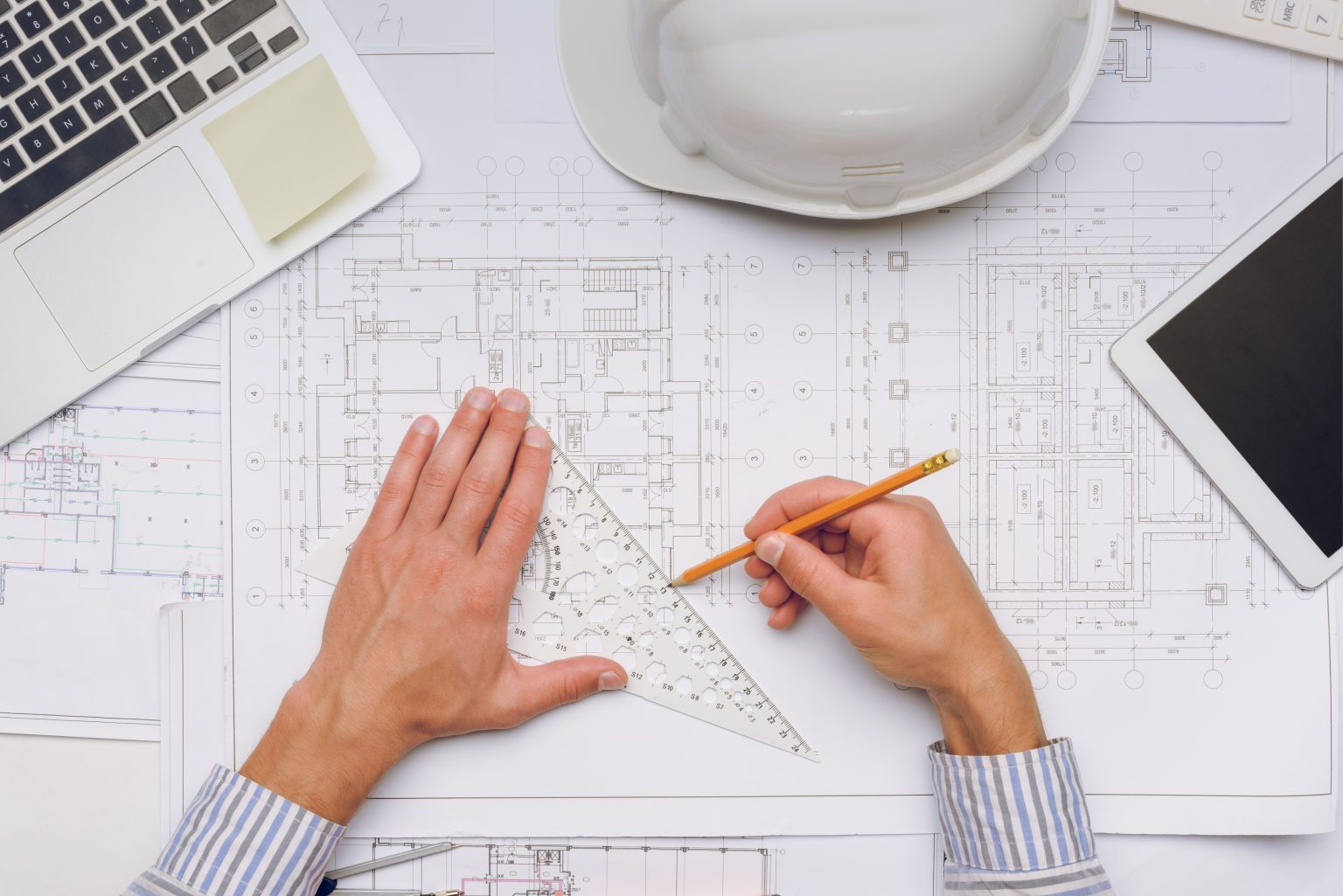
A well-designed jail is much more than a place where criminals are locked up. In the design and infrastructure, it is important to balance security, rehabilitation and human dignity. Architects and planners explore social science, technology, and empathy to include these factors.
The correctional facility design is shifting from punitive isolation to therapeutic inclusion. Correctional facilities, which were traditionally fortresses with high walls, limited natural lighting, steelcell and high walls, are now changing. The newer designs are designed to simulate the outside world to help convicts recover from their crimes and reintegrate back into society.
Current correctional designs are based on respect for human dignity. Spaces are designed to affect residents psychologically. Cold and harsh environments can cause isolation and sadness. Natural light, fresh air and social interaction can help improve the mental health of an inmate.
Correctional facilities increasingly offer education, vocational training, and therapy to aid rehabilitation. The facility's classrooms, workshops, and counseling rooms help convicts learn and grow. This multimodal strategy makes prison time transformative, leading to beneficial outcomes.
Technology also greatly influences correctional facilities. Modern correctional facilities use advanced security measures beyond surveillance. The infrastructure effortlessly integrates biometrics, modern connectivity, and energy-efficient solutions. These technologies enhance facility security and efficiency.
In the design of correctional institutions, technology and sustainability are increasingly important. Sustainable designs minimize energy use, waste, and environmental impact. In facility design, green roofs, energy-efficient lighting, and rainwater harvesting are standard.
The spatial arrangement of correctional facilities balances openness and security. The juxtaposition of shared spaces with quiet spaces respects privacy while promoting community and social integration.
Staff and inmates' safety is paramount. Design must be flexible, allow for visibility and provide emergency response. Effective design emphasizes people flow to make spaces easy to monitor and avoid bottlenecks and conflict.
Additionally, restorative justice ideals influence design. Modern prisons include discourse, reconciliation, and community participation spaces. These areas aid healing and rehabilitation by encouraging discourse.
Correctional facility designs typically integrate with the community's scenery. Facilities are part of the communal tapestry. The institution should blend in with the surrounding environment rather than standing out.
Designing correctional facilities responsive to the population requires an understanding of cultural context. Local materials, art and cultural elements will give the design an authentic sense of place.
Creating a correctional facility is like constructing a complex tapestry with every thread serving a function, resulting in hope, rehabilitation, and dignity. Architects and planners combine technology with empathy, security with openness, and sustainability with pragmatism to improve lives and society.
In this ongoing growth, correctional facility architecture reflects society's beliefs and goals. It represents our belief in atonement, rehabilitation, and everyone's inherent ability for change. Designing with these values creates a system that corrects and rehabilitates, laying the groundwork for an inclusive, empathic, and just future.